

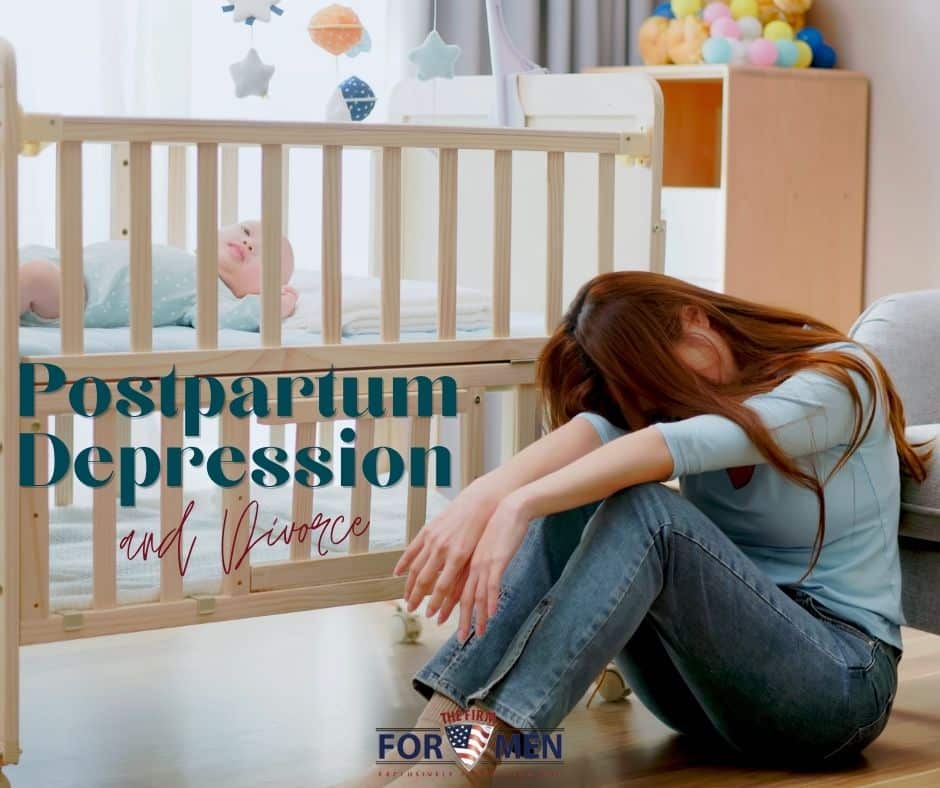
Postpartum depression can place significant emotional strain on a marriage, affecting communication, intimacy, parenting responsibilities, and the relationship between spouses. For some couples, these challenges contribute to separation or divorce after having a baby. If you are a Virginia father dealing with postpartum depression in your marriage, understanding the condition and your legal options is important. Postpartum depression is a treatable medical condition, but when serious marital problems persist, you may need to consider how divorce in Virginia, child custody, and parenting arrangements could affect your family.
Jump to a Section
- What Is Postpartum Depression?
- How Can Postpartum Depression Affect a Marriage?
- Can Postpartum Depression Lead to Divorce?
- How to Support a Spouse Experiencing Postpartum Depression
- How Does Postpartum Depression Affect Divorce in Virginia?
- Can Postpartum Depression Affect Child Custody in Virginia?
- What Should Virginia Fathers Do Before Filing for Divorce?
Does postpartum depression cause divorce, or can an already struggling marriage make postpartum depression worse? The relationship is complicated. Understanding the medical, emotional, and legal issues can help fathers make informed decisions while protecting their children’s well-being.
What Is Postpartum Depression (PPD)?
According to the Cleveland Clinic, postpartum depression (PPD) is a type of depression that can develop after childbirth. It may also begin during pregnancy, and symptoms can emerge gradually during the first year after delivery.
Common symptoms of postpartum depression include:
- Persistent sadness, hopelessness, or loneliness
- Severe mood swings, anxiety, or irritability
- Loss of interest in activities previously enjoyed
- Difficulty bonding with the baby
- Feelings of guilt, worthlessness, or inadequacy
- Changes in sleeping or eating habits
- Difficulty concentrating or making decisions
- Withdrawal from family members and friends
The American Psychological Association (APA) identifies additional warning signs, including panic attacks, racing or frightening thoughts, uncontrollable crying, fear of being a bad mother, and difficulty managing daily responsibilities.
In some cases, postpartum depression may involve thoughts of self-harm or harming the baby. These symptoms require prompt professional attention. If there is immediate danger, emergency medical assistance should be sought.
Postpartum Depression vs. the Baby Blues
Many new mothers experience temporary sadness, irritability, and emotional changes after childbirth, commonly called the baby blues. These symptoms typically improve within approximately two weeks. Postpartum depression is different. Symptoms are generally more persistent, may be more severe, and can interfere with everyday functioning. It is also important to distinguish postpartum depression from the understandable exhaustion associated with caring for a newborn baby. PPD is a medical condition, not a character flaw or evidence that someone is an unfit parent. With appropriate treatment and support, recovery is possible, although the timeline varies from person to person.
How Can Postpartum Depression Affect a Marriage?
Having a baby changes nearly every aspect of married life. Sleep schedules, finances, household responsibilities, and emotional needs can all shift dramatically. For couples already navigating the challenges of first-time fatherhood, postpartum depression may introduce additional stress. Mental health professionals have identified several ways postpartum depression can affect a marriage.
- Reduced Emotional Connection
New parents often have limited time together. Postpartum depression can make emotional closeness even more difficult when one spouse experiences persistent sadness, withdrawal, or overwhelming fatigue. The other spouse may interpret this emotional distance as rejection rather than recognizing it as a possible symptom of depression.
- Increased Conflict Over Parenting Responsibilities
Caring for an infant requires constant attention. Feeding, diaper changes, household chores, medical appointments, and nighttime responsibilities can leave both parents exhausted. When postpartum depression affects one parent’s ability to manage daily activities, the other parent may need to assume additional responsibilities. Without effective communication and support, resentment can develop.
- Communication Difficulties
Postpartum depression can affect concentration, emotional regulation, and the ability to communicate feelings. A mother experiencing PPD may struggle to explain what she is experiencing. Her husband may feel confused, helpless, or frustrated. These difficulties can create a cycle in which both spouses feel misunderstood.
- More Frequent Arguments
Sleep deprivation, financial concerns, and emotional exhaustion can make disagreements more intense. Postpartum depression may amplify these challenges, especially when couples lack support from family, friends, or mental health professionals.
- Financial Stress
The arrival of a baby often brings new expenses. Medical bills, childcare costs, parental leave, and changes in employment can create financial pressure. If postpartum depression affects a parent’s ability to work or manage daily responsibilities, these pressures may become more difficult to navigate. Financial disagreements can further strain a relationship already experiencing emotional challenges.
Can Postpartum Depression Lead to Divorce?
Postpartum depression can contribute to marital difficulties, but it does not automatically cause divorce.
Some marriages recover and become stronger after a spouse receives treatment and the couple develops healthier ways to communicate and share responsibilities. Other relationships may already have significant problems before the baby arrives. For example, a marriage characterized by ongoing conflict, emotional distance, or controlling behavior may face additional challenges during the postpartum period. The mental health resource Postpartum Progress has discussed how postpartum depression can affect relationships and contribute to marital breakdown. The important distinction is that postpartum depression may be one contributing factor rather than the sole reason a marriage ends.
What Does Research Say About Postpartum Mental Health and Divorce?
A population-based cohort study published in The Journal of Clinical Psychiatry examined the relationship between postpartum psychiatric episodes and subsequent divorce. The study of postpartum psychiatric episodes and divorce included 266,771 mothers. Among the participants, researchers identified 4,442 mothers with moderate postpartum psychiatric episodes and 1,141 with severe episodes. Researchers found an association between experiencing a first postpartum psychiatric episode and a greater probability of divorce in subsequent years. The study also identified a relationship between the severity of psychiatric episodes and the probability of divorce. However, these findings require careful interpretation.
Postpartum psychiatric episodes encompass a broader range of mental health conditions than postpartum depression alone. The research does not establish that postpartum depression directly causes divorce or that every woman experiencing PPD faces an elevated divorce risk. Other factors, including relationship quality, financial stress, previous mental health concerns, and access to treatment, may also influence marital outcomes. For Virginia fathers, the research underscores the importance of recognizing serious mental health challenges while avoiding assumptions about the future of their marriages.
How to Support a Spouse Experiencing Postpartum Depression
If your wife is experiencing postpartum depression, there are practical steps you can take to support her while also protecting your own emotional well-being. Resources such as Marriage.com and Postpartum Depression.org discuss approaches for couples navigating postpartum mental health challenges.
Communicate Openly and Patiently
Try to discuss concerns during calm moments rather than during arguments. Listen to your spouse’s experiences without immediately dismissing or attempting to solve every problem. Recognize that postpartum depression can make it difficult for someone to express feelings clearly.
Share Parenting and Household Responsibilities
Providing practical assistance can help reduce the daily pressures associated with caring for a newborn. This might include taking responsibility for nighttime feedings when possible, preparing meals, handling household chores, or arranging help from trusted relatives.
Encourage Professional Treatment
Postpartum depression is a medical condition that deserves appropriate treatment. A healthcare professional may recommend psychotherapy, medication, support groups, or a combination of treatments based on individual needs. Encourage your spouse to speak with her healthcare provider rather than expecting symptoms to disappear without assistance.
Consider Marriage Counseling
Couples counseling may help spouses improve communication, establish expectations, and work through relationship difficulties. Individual counseling can also help fathers process their own feelings of anxiety, exhaustion, frustration, or sadness. When abuse or coercive control is present, individual professional guidance may be more appropriate than joint counseling.
Protect Your Own Mental Health
Fathers can also experience depression, anxiety, and emotional distress during the postpartum period. Seeking support does not mean abandoning your spouse. It can help you remain emotionally available to your child and better equipped to make thoughtful decisions.
How Does Postpartum Depression Affect Divorce in Virginia?
If postpartum depression contributes to serious marital problems, you may begin considering separation or divorce. Virginia law does not establish postpartum depression itself as an independent ground for divorce. Instead, divorcing spouses must satisfy the legal requirements applicable to their circumstances.
Virginia Divorce Grounds and Separation Requirements
Virginia recognizes both fault-based and no-fault grounds for divorce.
For many couples pursuing a no-fault divorce, living separate and apart for the required period is an important consideration. Generally, Virginia permits a no-fault divorce after one year of separation. In certain circumstances, spouses without minor children who have a qualifying written separation agreement may be eligible after six months. Couples with a newborn will generally need to consider the one-year separation requirement if pursuing a no-fault divorce based on separation. Other grounds for divorce may apply depending on the facts, but postpartum depression alone does not establish marital fault.
A Virginia divorce attorney can help evaluate the circumstances and explain the available legal options.
What If Postpartum Depression Is Affecting Your Ability to Remain Married?
Some fathers may feel torn between supporting a spouse who is struggling and recognizing that their marriage has become unsustainable. These concerns can be especially difficult when a newborn is involved. Before making major decisions, consider whether appropriate medical treatment, counseling, and additional family support could help stabilize the situation. However, you are not required to ignore serious safety concerns, abuse, or circumstances that threaten your own well-being or your child’s welfare. If separation becomes necessary, legal guidance can help you understand your responsibilities and protect your parental rights.
Can Postpartum Depression Affect Child Custody in Virginia?
Postpartum depression does not automatically prevent a mother from obtaining custody of her child. In Virginia, courts make custody and visitation decisions based on the child’s best interests.
Virginia Code § 20-124.3 identifies factors courts must consider when determining custody arrangements. These include the child’s needs, each parent’s relationship with the child, each parent’s ability to meet the child’s needs, and other relevant circumstances.
Does a Mother’s Mental Health Diagnosis Affect Custody?
A parent’s mental health may become relevant when it affects their ability to provide appropriate care or maintain a safe environment. However, a postpartum depression diagnosis alone does not establish parental unfitness. The court’s focus is on parenting abilities, the child’s welfare, and the evidence presented.
For a more detailed discussion, see our article about how mental illness can affect child custody in Virginia.
What If You Are Concerned About Your Baby’s Safety?
If you have legitimate concerns about your child’s safety, document specific incidents and seek appropriate professional guidance.
Relevant information may include:
- Documented incidents involving the child’s safety
- Parenting responsibilities performed by each parent
- Communications concerning childcare arrangements
- Observations of behavior directly affecting the child’s welfare
- Relevant records lawfully available to you
- Recommendations from qualified professionals, when properly obtained
Avoid assuming that a mental health diagnosis automatically means your spouse cannot care for your child. If professional assessment becomes relevant to a legal proceeding, your attorney can explain the circumstances in which mental health evaluations in Virginia family law cases may be considered. Medical records and counseling information may be protected by privacy laws or legal privileges. Do not attempt to obtain confidential records without appropriate legal authority.
What Should Virginia Fathers Do Before Filing for Divorce?
If you are considering divorce after the birth of a child, preparation can help you make more informed decisions.
- Evaluate Your Marriage and Available Support
Consider whether the problems in your marriage began before childbirth or emerged during the postpartum period. Determine whether professional treatment, marriage counseling, or additional family assistance might help. You may also want to evaluate whether the relationship involves broader patterns of conflict or behavior unrelated to postpartum depression.
- Remain Involved in Your Child’s Life
Continue participating in everyday parenting responsibilities whenever possible. Feeding, bathing, attending medical appointments, comforting your baby, and providing consistent care can help maintain a strong parent-child relationship. Your involvement should be motivated by your child’s needs, not simply by the possibility of future litigation.
- Document Relevant Parenting Concerns
If separation or divorce appears likely, maintaining accurate records can help you explain your circumstances to an attorney. Depending on the situation, useful records may include:- Your involvement in childcare and parenting
- Communications about parenting schedules and responsibilities
- Specific incidents involving safety concerns
- Financial contributions to household and childcare expenses
- Attempts to arrange appropriate support or counseling
- Your own observations of marital conflict
- Events that may affect your ability to work or support your family
Severe marital stress can sometimes affect professional responsibilities. Our article on ways an unhappy marriage can put your career at risk explores related concerns. Keep documentation factual, accurate, and lawful. Avoid secretly accessing protected medical information or creating unnecessary confrontations.
- Understand Your Financial Responsibilities
Divorce after having a baby may involve questions about child support, healthcare coverage, childcare expenses, marital property, and spousal support. Review your household finances and identify the resources needed to provide a stable environment for your child. An attorney can explain how Virginia law may apply to your financial circumstances. - Consult a Virginia Divorce Attorney
Speaking with an attorney does not obligate you to file for divorce. A consultation can help you understand potential custody arrangements, separation requirements, financial obligations, and legal considerations before taking action. It can also help you avoid decisions that may complicate future negotiations or court proceedings.
Speak With a Virginia Divorce Attorney at The Firm For Men
Postpartum depression can create serious challenges for a marriage, but it does not mean that divorce is inevitable. If your wife is experiencing PPD, supporting her access to appropriate treatment while maintaining a stable environment for your child should remain important priorities. At the same time, you deserve to understand your legal rights if your marriage is approaching separation or divorce. Whether you are concerned about child custody, financial responsibilities, or your future relationship with your child, an experienced Virginia divorce attorney can help you evaluate your options. At The Firm For Men, we represent men navigating divorce, child custody, and other family law matters in Virginia.
We understand that becoming a father while facing marital difficulties can create uncertainty about your future. Our attorneys can help you understand the legal process and develop a strategy focused on protecting your rights and your relationship with your child. Contact The Firm For Men online today or call (757) 383-9184 to schedule a consultation and discuss your circumstances.